Description

About this Event
A one day webinar with the Netherlands Green Institute and The Green European Foundation Saturday May 15th 2021 on line
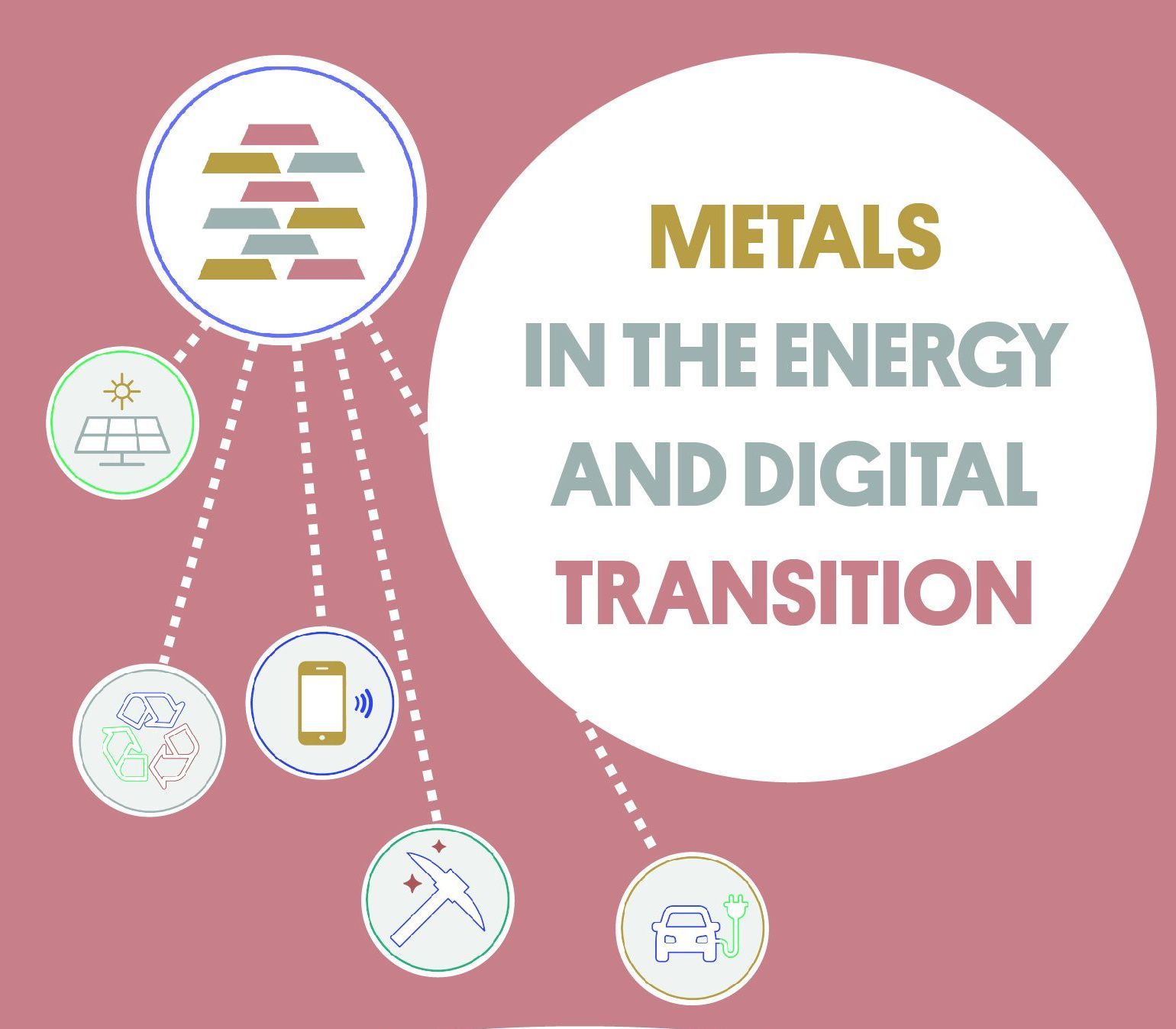
Metals for a Green and Digital Europe Project
Much of Europes metals come from outside its space. Is it time to look at the effects on other communities and to near shore the activities ? what does this mean for human rights, workers rights, the environment in Europe and how do we now see ourselves and our activities? A wake up call- is our way of life in anyway sustainable or fair.
Planning for the future- a green economy- how do we make it fair and just- does it need a rethink.?
How can we make green infrastructures based on social and environmental justice? and living within nature?
Products we think we need might be inherently damaging to nature and to other people and ultimately to ourselves? What do we do about that- we open the conversation.
What are the implications for the less developed countries- and the social impacts- environmental and social dumping or near shoring and taking the effects- health, gender, social effects and environmental effects -back into Europe- The additional effect of Brexit and the idea of Uk self sufficiency and supply chains- the lack of transparency due to privity of contract hides the environmental and social dumping–
Session 1 -How did we get here? Patterns of extraction today and historically
• The EU is eager to strengthen its industry for energy and digital technology, for instance by building battery factories. If a developing country restricts the export of metal ores in because it wants to make and export semi-finished metal products instead, that might lead to a WTO complaint by the EU, as happened in the case of Indonesia. Does the EU’s scramble for metal ores undermine developing countries’ right to earn more from their raw materials by building their own industry around it? What would a fair trade arrangement look like?
Session 2 What are the options before us and what do we want to achieve with them?
What are the challenges in 2021?
The extraction of metal ores often causes major damage to nature and the environment, as well as human rights violations, conflicts and corruption. The mining of cobalt and coltan in the Democratic Republic of Congo (DRC) is a case at hand. Do the people in the (developing) countries where mining takes place pay the price for Europe’s green and digital ambitions? How can a more responsible sourcing of metals be assured? UK challenges of re opening coal mining.
Session 3 What are the challenges to this reengineering the global trade flows and supply chains.
It is a huge time of change in products needed, new supply chains, new trade flows, new global leaders, climate change and biodiversity loss etc. What are the implications?
Session 4 – How can we make green infrastructures based on social and environmental justice? and living within nature in the run up to COP15 Biodiversity Kanming China. Products we think we need might be inherently damaging to nature and to other people and ultimately to ourselves? What do we do about that- we open the conversation.
Session 5 -The New Trade Flows- the social impacts and the supply chains in the run up to the COP26 and also in a Just and Green Transition. What metals and raw materials and manufactured goods do we really need? and if we need them where do they come from –
Session 6- Much of Europes metals come from outside its space. Is it time to look at the effects on other communities and to near shore the activities ? what does this mean for human rights, workers rights, the environment in Europe and how do we now see ourselves and our activities? A wake up call- is our way of life in anyway sustainable or fair.
Session 7 Planning for the future- a green economy- how do we make it fair and just- does it need a rethink.? Consumption levels- do they need to reduce?
How can we make green infrastructures based on social and environmental justice? and living within nature? Products we think we need might be inherently damaging to nature and to other people and ultimately to ourselves? What do we do about that- we open the conversation. Do we really need to consume so much and so much data?
The Green European Foundation in partnership with the Green Economics Institute and The Green Institute of the Netherlands.
For prospective speakers please see section below


Prospective speakers
International Labour Organisation – Dr Enrico Tezza
Indonesia Mining and ambassador or academic speaker
Miriam Kennet Green Economics Institute MCIPS supply chain specialist and implications of COP26 and UK leadership under threat from reopening coal mining – batteries- rare earth metals.
Dr Lijiana Poposkova Former MP, North Macedonia Mining Specialist
Professor Dzintra Astaja -The circular economy and mining in Latvia
Dr Sandra Gusta Mining in Latvia
Richard Wouters Green Institute Netherlands
Martin Anders- The car industry
Action Aid- Anjikwi Mshalbwala- Social and Health and Gender Perspectives
Agneta Granstroem Swedish SAMI Mining issues for Indigenous peoples
Action Aid Fateh Mari
Ewa Suffin -Poland Mining
Sukriti Anand Indian Mining Supply Chain
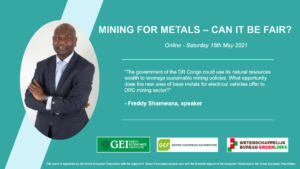
Freddie Shamwala DRC Congo Mining Issues Author Confirmed
Recommended texts: Global Shift, The Age of Low Tech, Voices Africa.